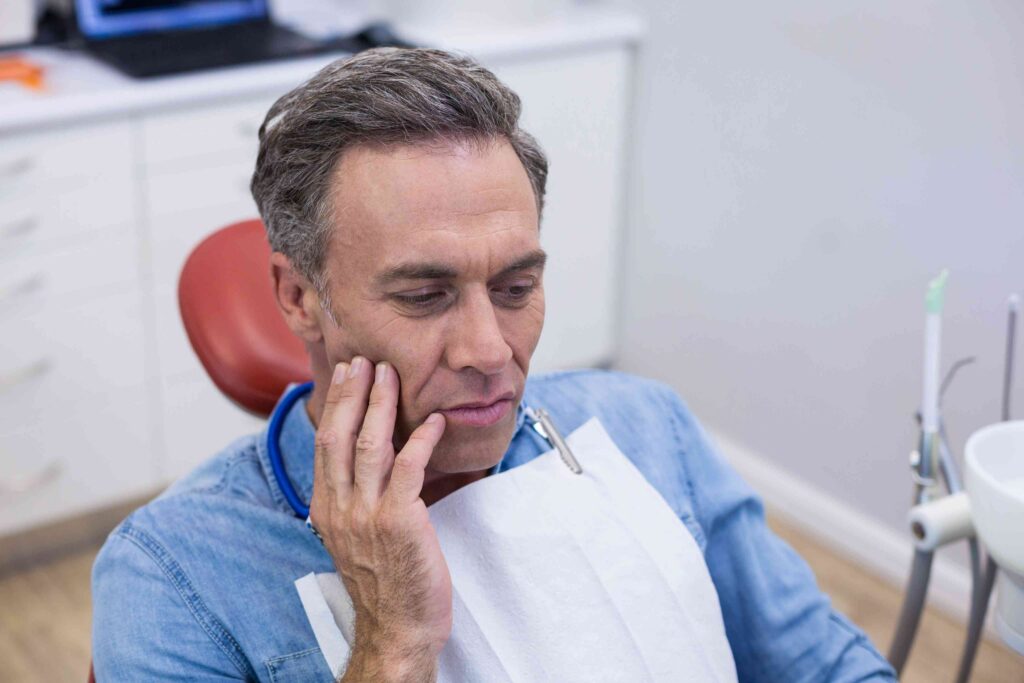
Dental pain and oral injuries rarely happen at convenient times. A sudden toothache, swelling, cracked teeth, or damaged restoration can quickly affect eating, sleeping, and daily concentration. In some situations, delaying treatment may allow the condition to worsen and create additional complications.
Many people search for an emergency dentist in Philadelphia, PA when discomfort becomes difficult to manage, or visible damage begins affecting normal routines. Emergency dental care focuses on identifying the source of the problem quickly while relieving pain and protecting long-term oral health whenever possible.
Prompt treatment may also help preserve natural teeth and reduce the likelihood of more extensive procedures later.
Tooth Pain Should Never Be Ignored
Persistent or severe tooth pain often signals an underlying issue that requires professional attention. Infections, advanced decay, fractures, and inflamed nerves may all contribute to discomfort that worsens over time.
Some patients initially try to manage symptoms at home with temporary solutions, but untreated infections rarely improve without dental treatment. Pain that lingers, spreads into the jaw, or interferes with sleep should be evaluated as soon as possible.
Patients looking for an emergency dentist in Philadelphia, PA, often seek fast relief while also addressing the underlying cause of their discomfort before complications become more serious.
Common Dental Emergencies and Recommended Responses
Understanding how different emergencies should be handled before arriving at the dental office may help reduce stress and improve outcomes.
Quick action often improves the chances of protecting the teeth and minimizing discomfort.
Broken Teeth May Require Immediate Attention
Teeth can fracture unexpectedly from accidents, sports injuries, grinding habits, or biting hard foods. Some cracks appear minor initially but deepen over time if left untreated.
Small fractures may expose sensitive inner tooth structures and increase the risk of infection or worsening structural damage. Patients should avoid chewing on the affected side until professional evaluation occurs.
Individuals seeking an emergency dentist in Philadelphia, PA, after dental trauma often benefit from early treatment, as prompt intervention may improve the likelihood of preserving the natural tooth.
Swelling and Infection Can Become Serious Quickly
Facial swelling or gum swelling frequently indicates infection. Dental infections should not be ignored because bacteria may spread into surrounding tissues if left untreated for too long.
Some patients also experience fever, pressure, or tenderness in the jaw and gums, along with visible swelling. These symptoms may require urgent professional care to prevent complications from worsening.
Emergency dental treatment often focuses first on stabilizing the situation, reducing discomfort, and controlling infection before determining additional restorative needs.
What Patients Can Do Before Their Appointment
Although emergency treatment should not be delayed, a few temporary steps may help reduce discomfort before arriving at the dental office.
Patients are commonly encouraged to:
- Rinse gently with warm salt water
- Use cold compresses for swelling
- Avoid chewing on damaged teeth
- Keep broken restorations if possible
- Avoid placing aspirin directly on gums
These measures do not replace professional care, but they may help reduce irritation temporarily.
Fast Treatment Helps Protect Long-Term Oral Health
Emergency dentistry is not only about relieving immediate pain. Prompt care also helps reduce the risk of tooth loss, the spread of infection, and additional structural damage to surrounding teeth.
Some dental emergencies become significantly more complicated when treatment is postponed too long. Early evaluation often allows clinicians to preserve more natural tooth structure while improving long-term outcomes.
People searching for an emergency dentist in Philadelphia, PA, are often trying to restore comfort quickly while protecting the overall health and function of their smile.
Reliable Emergency Care Can Reduce Stress
Unexpected dental problems often create anxiety because patients are unsure how serious the situation may become. Clear communication and fast professional guidance can make emergencies feel more manageable and less overwhelming.
Receiving prompt care also helps patients understand what caused the issue and how to reduce the risk of similar problems in the future. Preventive visits after emergency treatment remain important for maintaining long-term oral health.
For individuals experiencing urgent dental concerns, Philadelphia Dental Smiles PC continues to provide patient-focused emergency care to restore comfort and support healthier, long-term smiles.
Frequently Asked Questions
What qualifies as a dental emergency?
Severe pain, swelling, broken teeth, knocked-out teeth, and dental abscesses are all common examples of dental emergencies.
Should facial swelling be treated quickly?
Yes. Swelling may indicate an infection and should be evaluated by a professional as soon as possible.
What should patients do with a knocked-out tooth?
The tooth should be stored carefully and evaluated promptly, as prompt treatment may improve the chances of saving it.
Can waiting too long make a dental emergency worse?
Yes. Delayed treatment may increase pain, the risk of infection, and the likelihood of additional complications.
Why do some people seek professional emergency dental care quickly?
Some patients at Philadelphia Dental Smiles PC seek immediate relief but also want to safeguard their long-term oral health and tooth stability.