
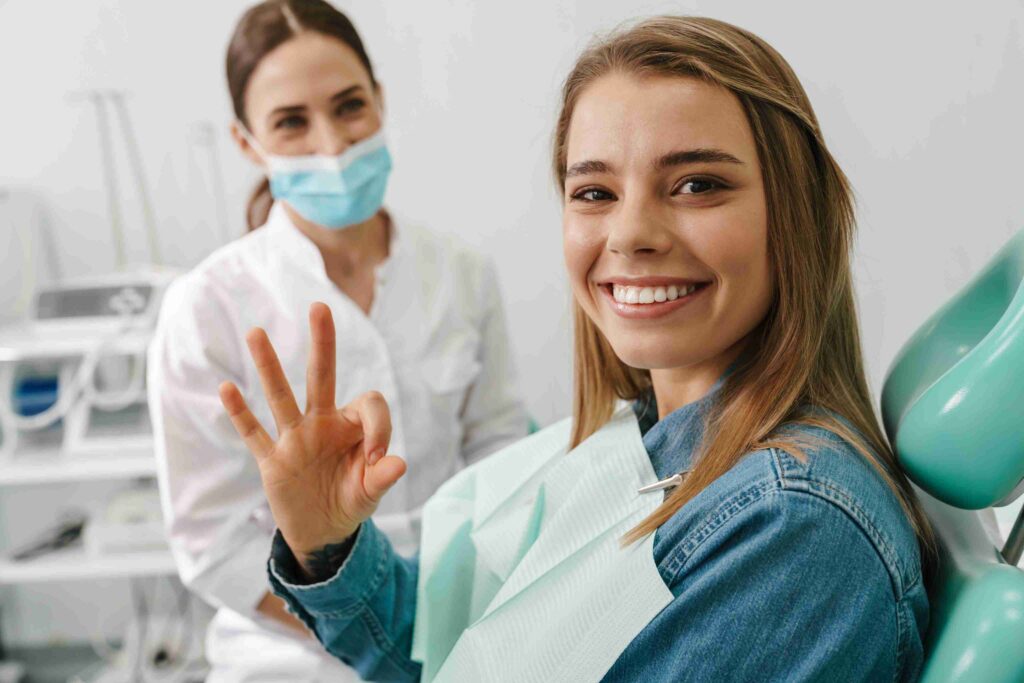
Teeth whitening Philadelphia, PA may help selected patients brighten natural enamel affected by stains from coffee, tea, wine, tobacco, aging, or certain foods. Patients in Philadelphia, PA and Bensalem, PA should have their teeth and gums evaluated before whitening because cavities, gum inflammation, sensitivity, enamel wear, and existing dental work can affect results. Whitening does not change crowns, veneers, bonding, fillings, or implant restorations, so cosmetic planning may be needed before treatment.
Tooth color can change slowly, so patients may not notice it until a photo, mirror, or different lighting makes the change more obvious. Coffee, tea, wine, tobacco, certain foods, and normal aging can all affect how bright natural enamel looks. Patients in Philadelphia, PA, and Bensalem, PA often ask about whitening because they want a cleaner, fresher smile without making their teeth look unnatural.
Patients considering teeth whitening in Philadelphia, PA may want to know whether whitening will work for their type of stain. Whitening can help with some enamel discoloration, but it does not work the same way for every patient. A dental evaluation can check enamel, gums, sensitivity, cavities, and existing dental work before treatment is recommended. This helps patients understand what whitening can improve and what may need a different cosmetic approach.
How Whitening Works on Natural Enamel
Teeth whitening is designed to lighten stains within natural tooth enamel. Whitening products use bleaching agents that help break down certain stain molecules, making teeth appear brighter.
The process is most effective when discoloration comes from natural enamel staining. Drinks such as coffee, tea, and red wine may contribute to external stains. Aging can also make teeth look darker as enamel changes, and the dentin beneath becomes more visible.
A teeth whitening Philadelphia, PA consultation should begin with a dental exam. This helps identify whether the color concern is related to stains, enamel wear, old restorations, trauma, or a deeper tooth issue that whitening may not fully correct.
Why a Dental Exam Should Come First
A whitening visit should not be only about choosing a lighter shade. The dentist may check for cavities, gum inflammation, exposed roots, cracks, enamel wear, and sensitivity.
Whitening over untreated decay or irritated gums may increase discomfort. Exposed root surfaces may also respond differently than enamel. If a patient already has tooth sensitivity, the dentist may discuss whether whitening should be delayed, adjusted, or avoided.
This step helps patients avoid guessing. A brighter smile should still be planned around oral health, not separate from it.
What Whitening Can and Cannot Change
Whitening can brighten natural enamel, but it does not change every part of a smile. Crowns, veneers, bonding, fillings, bridges, dentures, and implant restorations do not whiten like natural teeth.
This matters for patients with visible restorations. If natural teeth become lighter, but a crown or filling stays the same shade, the restoration may stand out more. In some cases, whitening is done first, then visible dental work is reviewed for shade matching.
Patients with dental crowns in Philadelphia, PA may need extra planning before whitening. The dentist may explain whether crowns are visible in the smile and whether they would still blend after enamel is lightened.
Common Reasons Teeth Look Darker
Tooth discoloration can come from several causes. Surface stains often develop from food, drinks, tobacco, or plaque buildup. These stains may respond better to cleaning and whitening.
Internal discoloration may happen after trauma, certain medications, enamel defects, or changes inside the tooth. A single dark tooth should be evaluated before whitening because it may not respond the same way as surrounding teeth.
Some patients have a mix of stain types. Professional cleaning may help remove surface buildup first, while whitening may address deeper enamel shade. Other concerns may need bonding, veneers, crowns, or another cosmetic option.
Sensitivity and Whitening
Some patients notice sensitivity during or after whitening. It may feel like a quick, sharp response to cold drinks, cold air, or brushing.
Sensitivity may be more likely when enamel is thin; gums have receded, or teeth are already sensitive. Cavities, cracks, and exposed roots may also affect comfort.
Inside Philadelphia Dental Smiles PC, whitening discussions may include enamel condition, gum health, tooth sensitivity, existing restorations, and smile goals before options are reviewed. This helps patients understand whether whitening is suitable and what precautions may be needed.
How Whitening Fits with Invisalign and Smile Planning
Some patients want a brighter smile and straighter teeth. These are different goals, so the order of care may matter.
Invisalign Philadelphia PA treatment moves teeth. Whitening changes the shade of natural enamel. If a patient is planning Invisalign, whitening may sometimes be discussed after alignment, so the final smile position can be evaluated first.
The dentist may also look at spacing, crowding, and tooth shape before recommending whitening alone. If the tooth position is the main concern, clear aligners may need to be discussed before cosmetic shade changes.
How Veneers and Whitening Differ
Whitening changes the color of natural enamel. Veneers cover the front surfaces of selected teeth to change shape, shade, size, or surface appearance.
Patients comparing veneers to Bensalem, PA with whitening should know that these treatments solve different concerns. Whitening may help with general yellowing or stains. Veneers may be discussed for deeper discoloration, worn edges, chips, uneven shapes, or surface concerns that whitening cannot be corrected.
Veneers are not the right choice for every patient. Gum health, enamel, bite pressure, and long-term maintenance all matter. A cosmetic evaluation helps decide whether whitening, veneers, bonding, or another option makes more sense.
Professional Whitening Compared with Store Products
Store whitening strips and trays may help with some surface stains, but they may not fit every mouth well. Crowded teeth, uneven edges, gum recession, or restorations can affect contact with whitening material.
Professional guidance can help patients understand what level of change may be realistic. It can also help reduce avoidable irritation if sensitivity or gum concerns are present.
This does not mean every patient needs the same whitening method. The best approach depends on tooth shade, stain type, sensitivity, enamel health, visible dental work, and patient goals.
Everyday Benefits Patients May Want from Whitening
Patients often ask about whitening because they want their smile to look fresher, cleaner, or more even. The goal is usually a natural brightness that fits the person’s face and existing teeth.
Whitening may help with:
- Stains from coffee, tea, wine, or tobacco
- General yellowing of natural enamel
- A brighter smile before cosmetic planning
- A more even tooth shade
- Confidence in daily conversations
- Planning around visible restorations
- A clearer starting point for future cosmetic care
- These benefits depend on oral health, stain type, enamel condition, sensitivity, and existing dental work.
What Usually Happens During a Whitening Consultation
A whitening consultation often starts with a conversation about what the patient wants to change. The dentist may ask when the color changes, whether sensitivity is present, and whether any crowns, fillings, bonding, or veneers are visible.
The exam may include checking enamel, gums, cavities, cracks, exposed roots, and older restorations. Photos or shade checks may be used to discuss expectations.
If whitening appears suitable, the dentist may explain options, timing, sensitivity concerns, and maintenance. If whitening is not the best first step, the dentist may recommend cleaning, gum care, restorative treatment, or another cosmetic option first.
Local Patient Review
“I wanted my teeth to look brighter but did not know if whitening would work with my older dental work. The visit helped explain what could change and what would stay the same.”
A Brighter Smile Starts with the Right Evaluation
Whitening can be a useful option when stains, enamel health, sensitivity, and visible dental work are reviewed first. For patients in Philadelphia, PA and Bensalem, PA, Philadelphia Dental Smiles PC can help explain whether whitening fits their smile goals and oral health needs.
Frequently Asked Questions
Who is a good candidate for teeth whitening in Philadelphia, PA?
Whitening may suit patients with healthy teeth and gums who want to brighten natural enamel stains. A dental exam helps confirm whether whitening is appropriate.
Does whitening work on crowns or fillings?
No, whitening does not change crowns, fillings, veneers, bonding, or implant restorations. These materials may need separate planning if shade matching is a concern.
Can whitening cause tooth sensitivity?
Some patients may notice temporary sensitivity during or after whitening. The risk can depend on enamel, gum recession, existing sensitivity, and the whitening method used.
Should I get cleaning before whitening?
Cleaning may be recommended if plaque or tartar is present. Clean teeth can help the dentist better evaluate tooth color and oral health before whitening.
Can whitening fix one dark tooth?
A single dark tooth may need evaluation first, especially if it changed after trauma or past dental treatment. Whitening may not be the best option for every dark tooth.
How long do whitening results last?
Results vary based on diet, oral hygiene, tobacco use, enamel condition, and routine dental care. Touch-up recommendations depend on the patient’s needs.
Can Invisalign and Whitening be planned together?
Yes, but the order matters. Some patient’s complete aligner treatment first, then discuss whitening once tooth position is more stable.
Are veneers better than whitening for deep stains?
Veneers may be discussed when stains do not respond well to whitening. The right choice depends on enamel, bite, tooth shape, and cosmetic goals.